
Host a Stunning Opera Aesthetic Afternoon Tea at Home

Opera aesthetic is defined by richness, drama, and intention. Inspired by historic opera houses, velvet interiors, candlelit balconies, and the refined cafés surrounding them, this aesthetic translates beautifully into an elegant afternoon tea at home, especially for romantic occasions such as Valentine’s Day or a fancy Galentine's afternoon with your girls.
Unlike casual tea gatherings, an opera aesthetic afternoon tea feels curated and immersive. With the right color palette, table styling, menu, and planning structure, it becomes an experience rather than just a meal.
This guide shows how to apply opera aesthetic in a practical, achievable way, while keeping the table cohesive, refined, and visually strong.

Opera Aesthetic Color Palettes for Afternoon Tea
Color sets the emotional tone of an opera aesthetic table. The aim is depth, contrast, and visual richness without heaviness. Light elements are essential to balance darker tones and prevent the table from feeling closed or overly dark.
Opera-inspired color combinations that work particularly well for afternoon tea include:
Burgundy, ivory, and soft gold
Black and white porcelain with candlelight
Deep red, blush, and silver accents
Alongside classic white porcelain, vintage or vintage-inspired teacups with floral patterns, gilded rims, or subtle gold detailing fit naturally into this aesthetic. These elements add softness and historical depth while still keeping the table refined.
Color is best introduced through textiles, florals, menus, ribbons, and decorative details rather than through every item on the table. This approach keeps the composition rich but controlled.
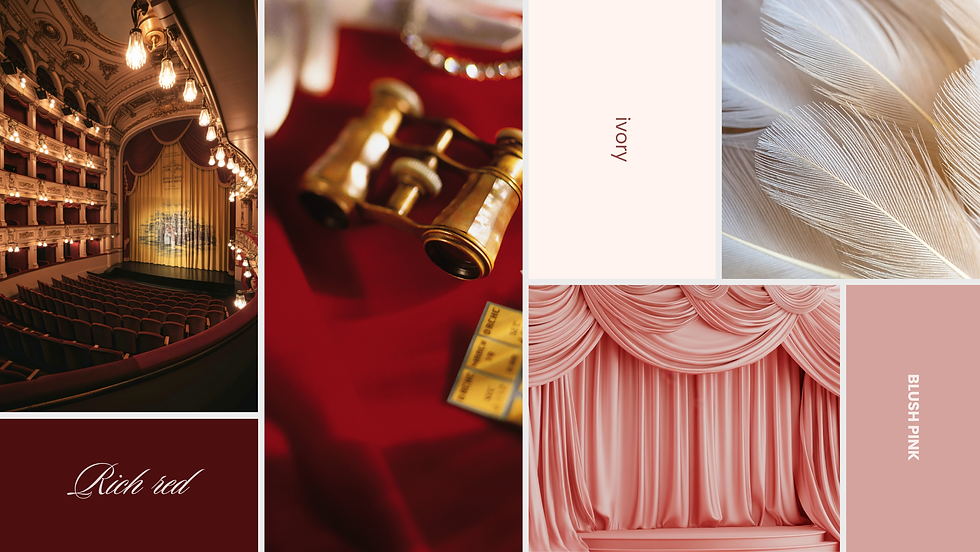
Table Styling: Texture, Layering, and Decorative Drama
Opera aesthetic table styling is expressive and decorative, with a strong focus on texture and layering. The goal is not restraint, but coherence.
Textiles and materials that support the aesthetic:
Velvet table runners or overlays
Soft cotton or satin-like napkins
Draped fabrics rather than stiff placements
Ribbons and layered textiles that create movement
Tableware and decorative elements:
White porcelain combined with vintage or floral teacups
Gilded or gold-accented tableware
Low floral arrangements in deep or rich tones
Candlelight using tapers or low votives
Jewel tones such as burgundy, wine, emerald, or plum introduced through details
Florals should feel intentional and expressive rather than minimal. Roses, ranunculus, tulips, or single-variety arrangements work particularly well and echo the theatrical atmosphere associated with opera interiors.
This layered approach creates visual drama while keeping the table balanced and elegant.

Opera Café–Inspired Afternoon Tea Menu
Opera houses are traditionally connected to cafés where guests gather before or after performances. This setting offers a natural reference point when planning an opera aesthetic afternoon tea menu.
Savoury menu ideas:
Cucumber sandwiches with butter or cream cheese
Smoked salmon sandwiches
Mini quiches or refined savoury pastries
Sweet menu ideas:
Classic scones with clotted cream and jam
Chocolate-based desserts or petits fours
Madeleines or elegant biscuits
Tea and drink pairing:
Black teas such as Earl Grey or Darjeeling
Light floral teas for delicate pastries
Optional champagne, prosecco, or aperitif-style cocktail to connect the experience to opera café culture
Planning the menu in advance helps maintain balance and avoids unnecessary excess. A clear structure ensures that the table feels considered rather than improvised.
This is where a dedicated Afternoon Tea Planner becomes especially useful, guiding menu planning, tea selection, quantities, and timing in one place.

Invitations, Menus, and Place Cards
Invitations, menus, and place cards play an important role in communicating the tone of an opera aesthetic afternoon tea. Even when invitations are sent digitally, their design sets expectations for the experience to come.
A cohesive approach works best:
A digital invitation reflecting opera-inspired typography and color
Coordinated menu cards placed on the table
Matching place cards to complete the setting
Serif fonts, cream or ivory backgrounds, deep tones, and generous spacing support the aesthetic without overpowering it. When invitations, menus, and place cards follow the same visual language, the experience feels intentional from the first message to the final cup of tea.
Planning as the Foundation of an Elegant Afternoon Tea
Elegance comes from preparation. When the menu, table layout, and flow of the event are planned in advance, hosting becomes calm and enjoyable rather than stressful.
Planning allows you to:
Keep styling cohesive
Prepare food efficiently
Avoid unnecessary purchases
Stay present with your guests
A structured Afternoon Tea Planner supports this process by helping you organise every step, from menu decisions to table styling and timing, ensuring that the opera aesthetic translates smoothly into a real hosting experience.

Final Thoughts
An opera aesthetic afternoon tea combines expressive styling with thoughtful structure. Rich color palettes, layered textiles, vintage and gilded tableware, café-inspired menus, and coordinated paper goods work together to create an atmosphere that feels immersive and refined.
When each element has a clear role, the table feels complete without excess. With intentional planning and cohesive design, opera aesthetic becomes a practical and repeatable way to host an elegant afternoon tea at home.


Comments